
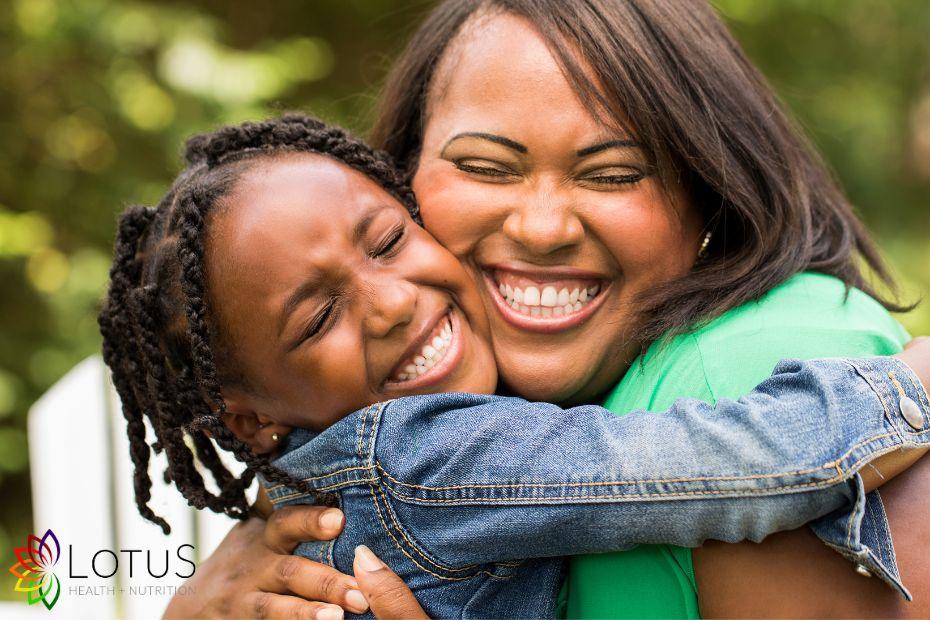
Raising Confident Daughters
🕒 7 min read | 👤 Recommended for: Parents and caregivers of School-aged children (5–12 years) and Teenagers (13–17 years)
A Compassionate Guide to Nurturing Positive Body Image#
Helping a daughter develop a positive relationship with her body starts long before conversations about dieting or social media. Every day, children learn about bodies, food and self-worth by watching the adults around them. The words we use, the way we speak about ourselves, and the values we prioritise all help shape how they see themselves.
In a culture that often places too much emphasis on appearance, parents have an opportunity to teach something different. By encouraging self-compassion, celebrating body diversity and focusing on what bodies can do rather than how they look, we can help raise daughters who feel confident, capable and worthy exactly as they are.
The goal isn’t to protect children from every difficult message they’ll encounter. It’s to help them develop the confidence, critical thinking and resilience to navigate those messages while knowing their value extends far beyond their appearance.
Quick Summary#
Parents have one of the strongest influences on a child’s body image.
Children learn from what we say about our own bodies, food and movement.
Focusing on body functionality, kindness and self-respect helps build confidence.
Open conversations, media literacy and supportive family relationships foster resilience.
Positive body image isn’t about loving every part of your body every day – it’s about treating yourself with respect and compassion.
Why Parents Play Such an Important Role#

Children begin forming beliefs about bodies, food and appearance from an early age. While friends, advertising and social media all have an influence, parents remain one of the most powerful role models throughout childhood and adolescence.
The way we talk about ourselves, respond to compliments, enjoy food and move our bodies teaches our daughters what matters. Small everyday moments often have the greatest impact.
Rather than striving to be the “perfect” role model, aim to model self-compassion. Children don’t need perfection – they need adults who demonstrate kindness towards themselves.
“The way you treat yourself teaches your daughter how to treat herself.“
11 Ways to Help Your Daughter Develop Positive Body Image#
See yourself through your daughter’s eyes#
Many parents are quick to notice their own perceived flaws.
Your daughter is far more likely to notice your smile, your hugs, your laughter and the comfort you provide.
Try viewing yourself through her eyes rather than through society’s unrealistic beauty standards.
Be mindful of how you talk about bodies#
Children absorb the language they hear.
Instead of criticising your body or talking about needing to “burn off” food, try language that reflects appreciation.
For example:
“My legs helped me walk with you today.”
“I’m grateful my body lets me cuddle you.”
“Food gives us energy to learn, play and grow.”
This teaches children that bodies deserve care – not criticism.
Did You Know?#
Children can begin developing body image beliefs in the preschool years. Everyday conversations at home have a lasting influence.
Create a positive relationship with food#
Avoid labelling foods as “good” or “bad” or talking about diets in front of children.
Instead, encourage:
– variety
– enjoyment
– family meals
– listening to hunger and fullness
– flexibility around food
A positive relationship with food supports both physical and emotional wellbeing.
Lead by example#
Children learn more from what we do than what we say.
Showing respect for your own body, taking time for self-care and avoiding appearance-based conversations helps create a healthier home environment.
Confidence is contagious.
Listen with empathy#
As children grow, they may compare themselves with others or become more aware of appearance-related pressures.
Rather than dismissing their concerns, listen first.
Validate their feelings before offering reassurance.
Simple phrases such as:
“That sounds really hard.”
“I’m glad you told me.”
“Would you like to talk more about it?”
can help children feel heard and supported.
For Parents#
You don’t need to have all the answers. Being a calm, trusted person who listens without judgement can make a lasting difference.
Model body comfort#
Body acceptance doesn’t mean loving every aspect of your appearance every day.
It means treating your body with respect and appreciating what it allows you to do.
Celebrate strength, creativity, kindness and courage alongside physical achievements.
Encourage support from the whole family#
Positive body image is strengthened when all important adults send consistent messages.
Fathers, grandparents, siblings and other trusted adults can reinforce that a person’s value comes from qualities such as kindness, curiosity, resilience and compassion – not appearance.
“Confidence grows when children know they are valued for who they are – not how they look.“
Help children question media messages#
Children today are surrounded by edited images, filters and unrealistic beauty standards.
Talk openly about:
– photo editing
– filters
– advertising
– influencers
– unrealistic expectations
Helping children think critically about media builds resilience.
Evidence Update#
Research consistently shows that media literacy and supportive family relationships can help protect young people from developing negative body image.
Build resilience#
Confidence isn’t about avoiding challenges.
It’s about knowing you can cope with them.
Help your daughter:
– recognise her strengths
– celebrate effort
– learn from mistakes
– develop problem-solving skills
– value herself beyond appearance
Encourage joyful movement#
Movement should be enjoyable – not punishment.
Help your daughter discover activities she genuinely enjoys, whether that’s:
– dancing
– swimming
– bushwalking
– gymnastics
– riding bikes
– team sports
– playing at the park
The goal is feeling strong, energetic and happy – not changing body shape.
Gentle Reminder#
Movement is something we do for our bodies – not to our bodies.
Support age-appropriate self-expression#
Children should be free to express their personality while also learning about boundaries, confidence and self-respect.
Rather than focusing solely on clothing, consider having conversations about:
– respecting themselves
– respecting others
– personal values
– consent
– healthy relationships
These discussions help children build confidence from the inside out.
Helping Daughters Navigate Today’s World#
No parent can completely shield a child from unrealistic beauty ideals or appearance-based messages.
However, we can give our daughters something far more powerful:
- confidence
- self-compassion
- critical thinking
- resilience
- a strong sense of self-worth

When children know their value isn’t determined by how they look, they’re better equipped to navigate the pressures they may encounter throughout adolescence and adulthood.
“The greatest gift we can give our daughters is knowing their worth has never depended on their appearance.“
The Bottom Line#
Raising a daughter with a positive body image isn’t about saying the perfect thing every time. It’s about creating a home where bodies are respected, food is enjoyed without guilt and self-worth extends far beyond appearance.
Children learn through everyday moments – hearing how we speak about ourselves, sharing meals together, enjoying movement and feeling accepted exactly as they are.
By modelling self-compassion, encouraging curiosity rather than criticism and celebrating the many qualities that make each child unique, we help raise confident young people who trust themselves and value who they are, inside and out.
Frequently Asked Questions#
How can I help my daughter develop a positive body image?
Model positive body talk, avoid dieting conversations, encourage joyful movement, celebrate strengths beyond appearance and create a safe space where she feels heard and accepted.
At what age do children begin developing body image?
Research suggests children can begin forming ideas about bodies and appearance in the preschool years, making positive conversations important from an early age.
Does talking about diets affect children?
Yes. Frequent diet talk can influence how children think about food and their bodies. Focusing instead on balanced eating, body respect and wellbeing supports healthier attitudes.
What should I do if my daughter says she feels “fat”?
Stay calm and curious. Ask what she means, validate her feelings and explore what may have prompted the comment. Avoid dismissing her concerns or immediately reassuring her about appearance.
How can social media affect body image?
Social media often presents edited, filtered and unrealistic images that can contribute to appearance comparisons. Teaching media literacy helps children recognise these images are not always real.
Is exercise important for body confidence?
Yes – but the focus should be on enjoyment, strength, health and feeling good rather than changing body size or weight.
Can fathers influence body image too?
Absolutely. Fathers and father figures play an important role by modelling respectful attitudes towards bodies and reinforcing that self-worth extends far beyond appearance.
When should I seek professional support?
If your daughter is experiencing ongoing body dissatisfaction, food anxiety, restrictive eating, binge eating or significant distress around food or appearance, seeking support from a qualified health professional can be helpful.
Supporting your family’s relationship with food and body image#
Building positive body image is a journey, and you don’t have to navigate it alone. If you or your child are finding food, body image or eating behaviours challenging, compassionate, evidence-based support is available.#
Together, we can work towards a healthier relationship with food, greater body trust and practical strategies that support your family’s wellbeing.


Explore more RESOURCES or follow along on Facebook and Instagram @lotushealthnut for gentle, practical support.