
Understanding Diet Culture
🕒 6 min read | 👤 Recommended for: Adults (18+ years)
Understanding Diet Culture: What It Is and How to Break Free#
Every day we’re surrounded by messages telling us that we need to change our bodies to be healthier, happier or more successful. Whether it’s social media, advertising, wellness trends or casual conversations, these messages can quietly shape the way we think about food, exercise and ourselves.
Diet culture can make us believe that our worth is tied to our appearance, encourage restrictive eating, and disconnect us from our body’s natural signals. Over time, this can affect both our physical health and emotional wellbeing.
As a Certified Practising Nutritionist, I take a compassionate, non-diet and weight-inclusive approach to nutrition. My goal is to help people build a peaceful relationship with food and their bodies – without guilt, shame or restrictive rules. Understanding diet culture is often the first step towards making that change.
Quick Summary#
Diet culture promotes the belief that thinness equals health, success and worth.
Restrictive dieting can negatively affect both physical health and emotional wellbeing.
Diet culture can contribute to body dissatisfaction, food guilt and disordered eating behaviours.
A non-diet, intuitive eating approach helps rebuild trust with your body and food.
Recovery begins with rejecting diet rules and treating yourself with compassion.
What is Diet Culture?#
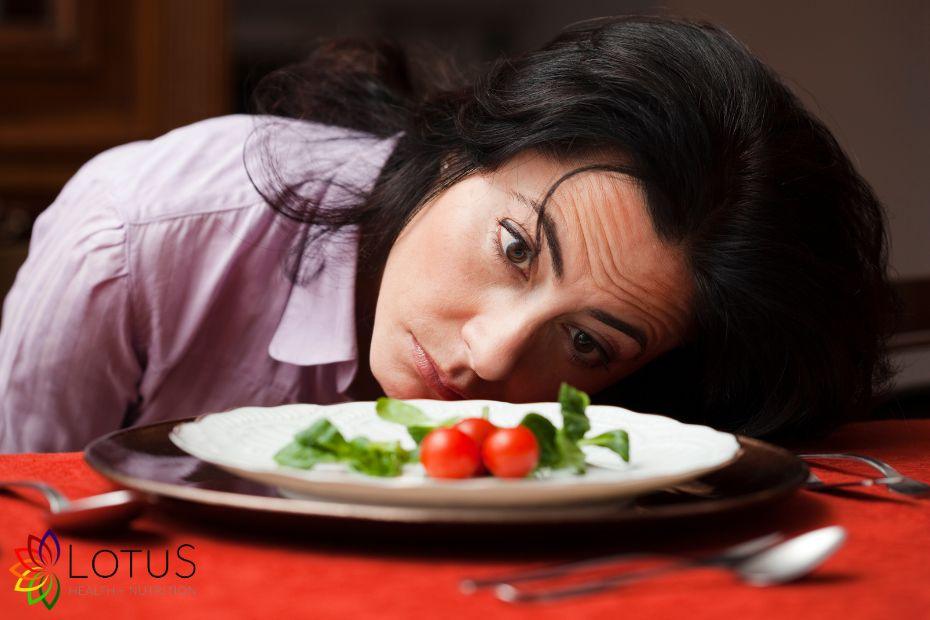
Diet culture is a set of beliefs that places a high value on thinness and often equates body size with health, success and self-worth.
It encourages the idea that changing your body should be a lifelong goal and promotes restrictive eating, food rules and weight loss as measures of achievement.
Diet culture often shows up through:
- labelling foods as “good” or “bad”
- promoting quick fixes and fad diets
- praising weight loss regardless of how it was achieved
- encouraging guilt after eating certain foods
- suggesting that smaller bodies are healthier or more worthy
The reality is that health cannot be determined by body size alone. People’s health is influenced by many factors including genetics, sleep, stress, access to healthcare, movement, nutrition and social connection.
“Health is about far more than the number on a scale.”
Did You Know?#
Research consistently shows that most intentional weight loss is difficult to maintain long-term, and repeated cycles of dieting and weight regain can negatively affect both physical and mental health.
How Diet Culture Can Affect Physical Health#
Restrictive diets often promise quick results, but they can have unintended consequences.
Repeated dieting may:
- slow metabolic adaptation
- reduce energy levels
- increase preoccupation with food
- contribute to nutrient deficiencies
- increase the likelihood of weight cycling (repeated weight loss and regain)
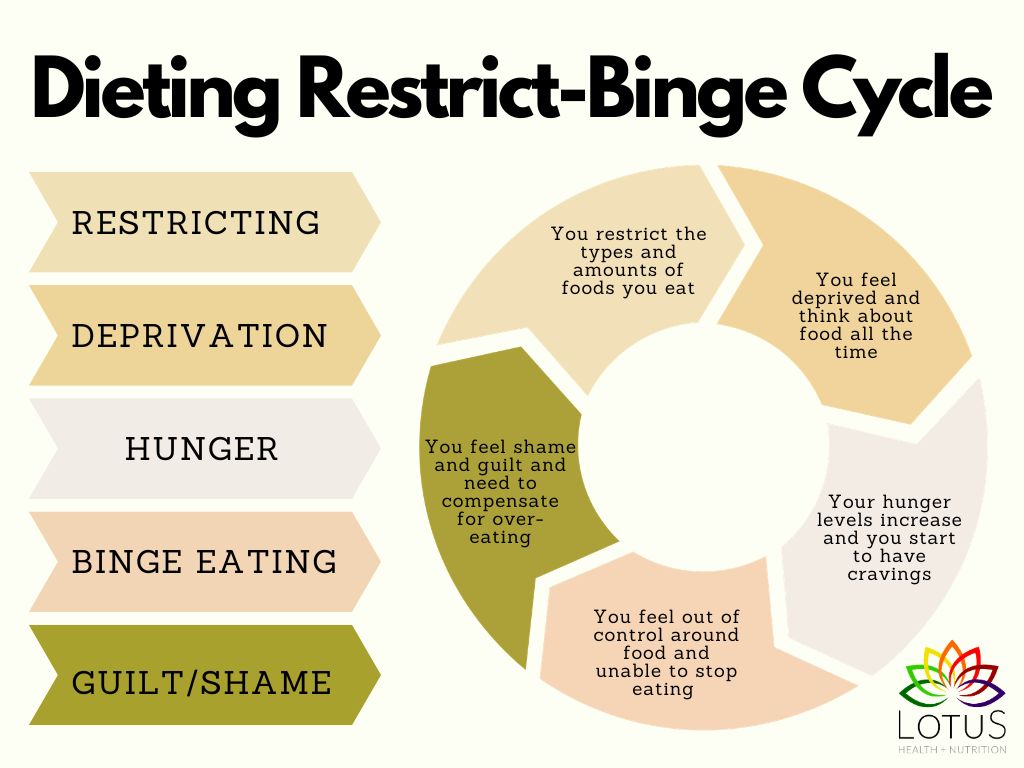
When your body doesn’t receive enough nourishment, it naturally responds by trying to protect itself. Hunger hormones may increase, fullness signals may become harder to recognise, and thoughts about food can become more frequent.
These are normal biological responses – not a lack of willpower.
Evidence Update#
Our bodies are biologically designed to protect us from starvation. Feeling hungrier after restriction is a normal survival response – not a personal failure.
The Emotional Impact of Diet Culture#
Diet culture doesn’t only affect what we eat – it can also affect how we feel about ourselves.
When we constantly compare ourselves with unrealistic body ideals, it can lead to:
Over time, people may begin to believe they are “good” when following food rules and “bad” when they don’t.
Food is not a measure of your character.
Learning to let go of food rules can be challenging, but it creates space for a healthier, more peaceful relationship with eating.
“Your worth is not determined by the size of your body or the foods you eat.”
The Social Impact of Diet Culture#
Diet culture is woven into many parts of everyday life.
It can appear through:
- conversations about weight
- compliments focused on weight loss
- social media before-and-after photos
- family expectations around food
- workplace wellness challenges
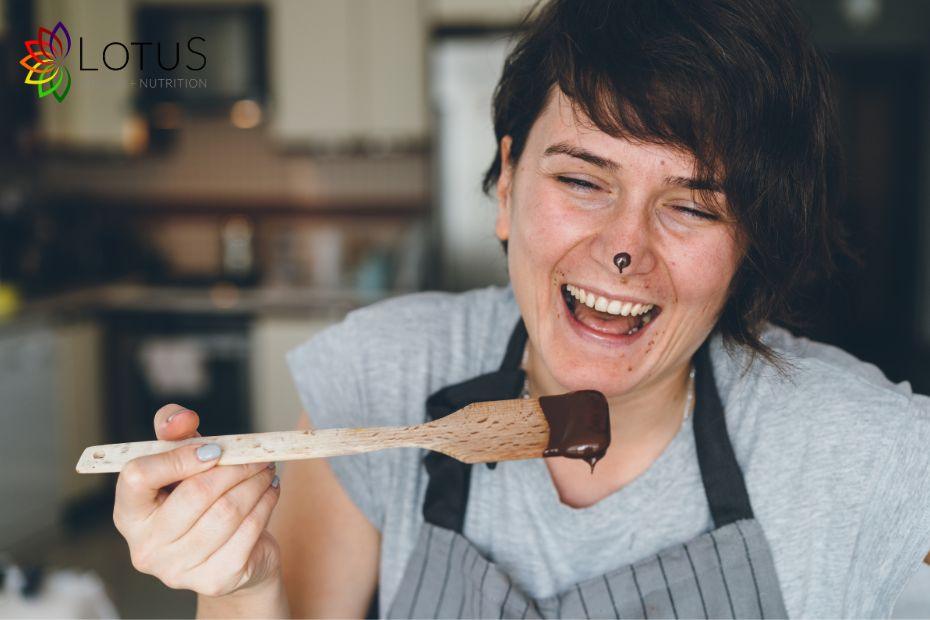
These messages can leave people feeling isolated or pressured to change themselves in order to fit in.
Everyone deserves to enjoy meals, celebrations and social events without feeling guilty about what they’re eating or worrying about how their body looks.
Gentle Reminder#
You don’t have to earn your food, justify what you eat or explain your body to anyone.
How to Break Free from Diet Culture#
Leaving diet culture behind is a process, and it’s different for everyone.
Small, compassionate steps can make a big difference.
Reject the Diet Mentality#
Question messages that suggest your worth depends on changing your body.
You don’t need another set of food rules to deserve respect or care.
Reconnect With Your Body Through Intuitive Eating#
Instead of following external rules, begin listening to your body’s own signals.
This might include:
– eating when you’re hungry
– noticing fullness
– finding satisfaction in meals
– allowing all foods without guilt
Intuitive eating is about building trust – not perfection.
Practise Body Acceptance#
Your body deserves kindness today, not only after it changes.
Body acceptance doesn’t mean loving every aspect of your appearance every day.
It means recognising that your body is worthy of care, respect and nourishment exactly as it is.
Find Support#
Changing lifelong beliefs around food and body image can feel overwhelming.
Working with a non-diet nutrition professional can help you:
– challenge food rules
– rebuild confidence around eating
– improve body trust
– develop sustainable habits that support wellbeing
As a Certified Practising Nutritionist, I provide compassionate, evidence-based nutrition support that focuses on your overall wellbeing – not your weight.
Key Takeaway#
Healing your relationship with food isn’t about having perfect eating habits.
It’s about learning to trust your body, nourishing yourself consistently and treating yourself with the same kindness you would offer someone you love.
The Bottom Line#
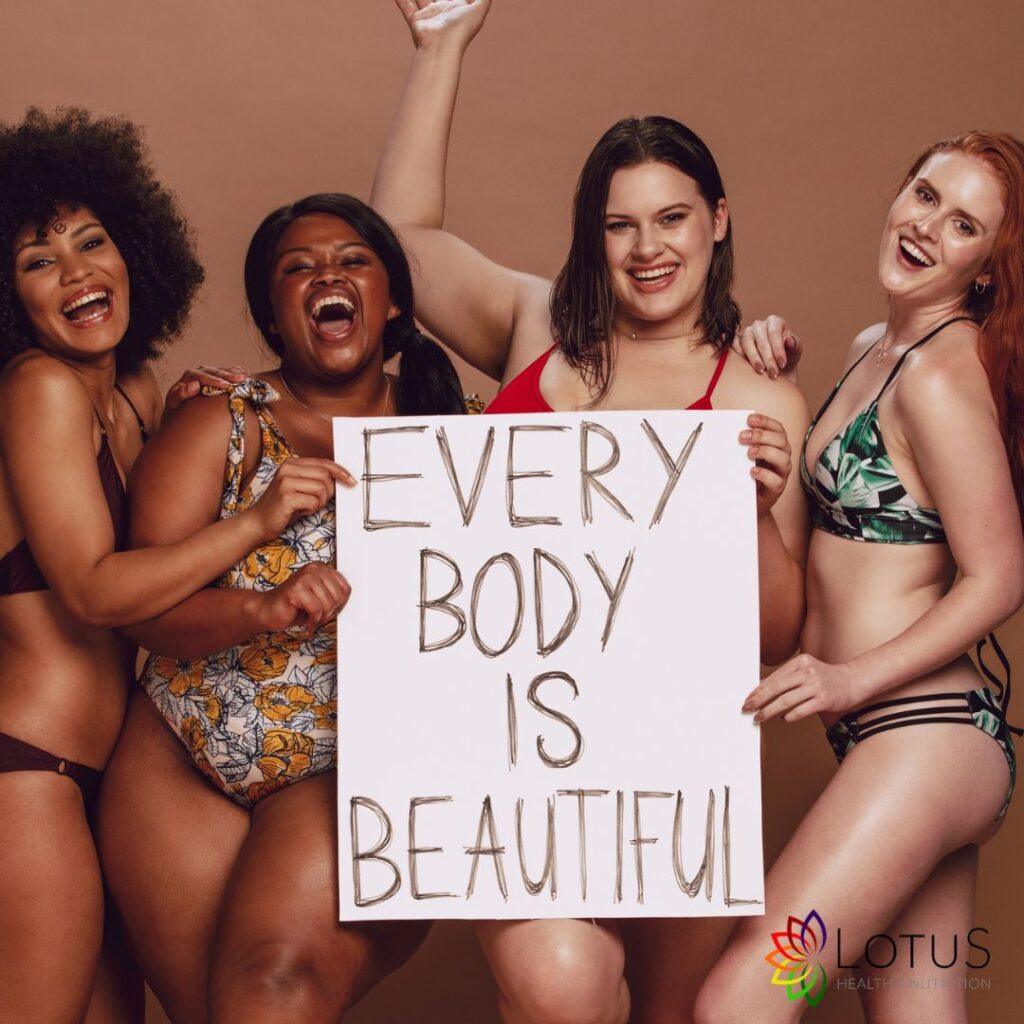
Diet culture tells us that our bodies always need fixing. In reality, your worth has never depended on your weight, clothing size or the foods you choose.
Building a healthier relationship with food often means letting go of rigid rules and reconnecting with your body’s own wisdom. This process takes time, compassion and support – but it is possible.
You deserve to enjoy food without guilt, move your body in ways that feel good, and care for yourself without chasing unrealistic ideals. A non-diet approach offers a path towards lasting wellbeing that is grounded in respect, flexibility and self-compassion.
Frequently Asked Questions#
What is diet culture?
Diet culture is a system of beliefs that promotes thinness as the ideal body size and often encourages restrictive eating, weight loss and food rules as measures of health and success.
Why is diet culture harmful?
Diet culture can contribute to body dissatisfaction, food guilt, chronic dieting, disordered eating behaviours and poorer mental wellbeing. Repeated dieting may also negatively affect physical health.
What is the difference between diet culture and healthy eating?
Healthy eating supports nourishment, flexibility and enjoyment of food. Diet culture focuses on weight, restriction and external rules rather than listening to your body’s needs.
Can intuitive eating improve my relationship with food?
Many people find intuitive eating helps reduce food guilt, improve body trust and create more sustainable eating habits by reconnecting with hunger, fullness and satisfaction.
Can children be affected by diet culture?
Yes. Children can absorb messages about body image and food from family, peers, social media and advertising. Creating a positive food environment and avoiding body-focused conversations can help support healthy development.
How do I stop feeling guilty after eating?
Start by recognising that guilt often comes from learned food rules rather than your body’s needs. Challenging those rules and practising self-compassion can help rebuild a healthier relationship with food.
Should I avoid all diets?
Not all therapeutic eating approaches are harmful. Some medical conditions require specific dietary management. The difference is whether nutrition advice supports your health without unnecessary restriction or focusing solely on weight.
Ready to Build a Healthier Relationship with Food?#
If you’re feeling exhausted by dieting, struggling with body image, or finding food has become stressful, you don’t have to work through it alone.#
I provide compassionate, evidence-based nutrition support for adults, children and families using a non-diet, weight-inclusive approach. Together, we can help you build confidence around food and develop sustainable habits that support your wellbeing.

Explore more RESOURCES or follow along on Facebook and Instagram @lotushealthnut for gentle, practical support.