
Male Body Image
🕒 5 min read | 👤 Recommended for: Teenagers (13–17 years) & Adults (18+ years)
Breaking the Silence About Body Image in Men and Boys#
For many years, conversations about body image have focused almost exclusively on women and girls. However, research shows that men and boys also experience significant pressure to look a certain way, often in silence.
From social media and advertising to sport, fitness culture and popular entertainment, unrealistic expectations about the “ideal” male body can affect self-esteem, mental health and overall wellbeing. These pressures can influence how men and boys feel about themselves, how they eat, how they exercise, and whether they seek help when they’re struggling.
The good news is that body image doesn’t have to be defined by unrealistic standards. By encouraging open conversations, challenging harmful stereotypes and promoting body acceptance, we can help men and boys develop a healthier relationship with their bodies.
Quick Summary#
Men and boys experience body image concerns too, although these are often overlooked.
Social media, advertising and cultural expectations can contribute to unrealistic body ideals.
Poor body image can affect mental health, self-esteem, eating behaviours and exercise habits.
Talking openly, challenging harmful stereotypes and seeking support can make a significant difference.
Every body deserves respect, care and compassion – not because of how it looks, but because it supports us through life.
Why Body Image Affects Men and Boys#
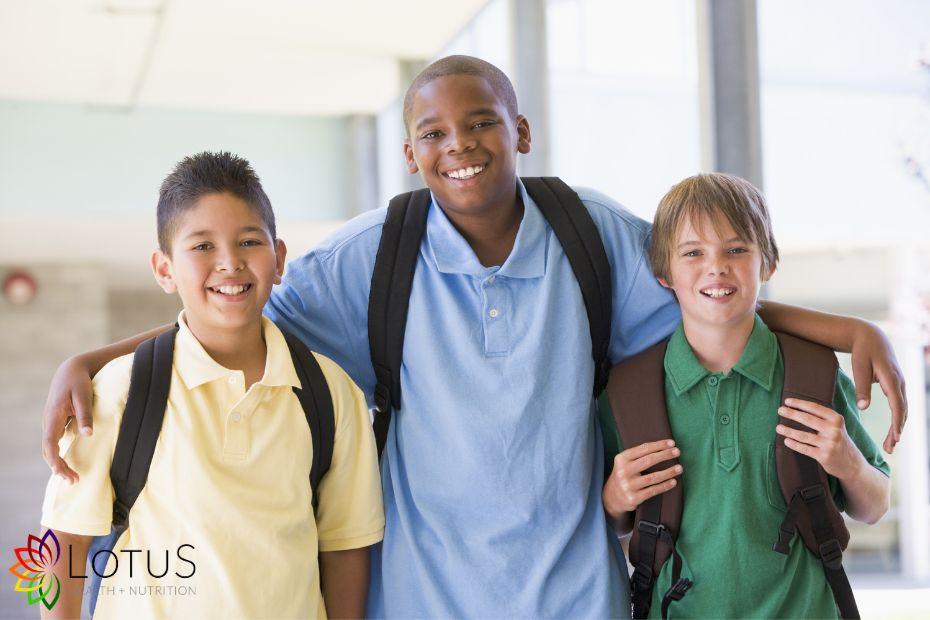
Body image concerns are not limited to women and girls. Men and boys can also struggle with how they see their bodies, often feeling pressure to appear lean, muscular, athletic or physically strong.
Because body image is still commonly viewed as a “women’s issue”, many males feel reluctant to talk about their experiences. This silence can make feelings of shame, isolation and self-criticism even harder to manage.
“Body image concerns affect people of every gender, and no one should feel they have to struggle in silence.“
Did You Know?#
Research shows that body dissatisfaction affects many men and boys and can increase the risk of anxiety, depression, disordered eating and compulsive exercise behaviours.
Social Pressure and Unrealistic Body Ideals#
From childhood onwards, boys are exposed to messages about what a “real man” should look like.
Movies, advertising, fitness influencers, gaming, professional sport and social media often promote bodies that are:
- highly muscular
- very lean
- tall
- physically powerful
- free from perceived imperfections
These ideals are often unrealistic, heavily edited or achievable only under very specific circumstances.
When someone constantly compares themselves to these images, they may begin to feel that their own body isn’t “good enough”.
For some people, this dissatisfaction can contribute to:
- lower self-esteem
- restrictive eating
- excessive exercise
- muscle-building supplement misuse
- disordered eating behaviours
Gentle Reminder#
Your worth is not determined by your appearance, your weight or how muscular you are. Every body deserves respect and care.
Masculinity, Stigma and Body Shame#
Many boys grow up hearing messages that they should be:
- strong
- tough
- independent
- emotionally resilient
These expectations can make it difficult to admit when they’re struggling.
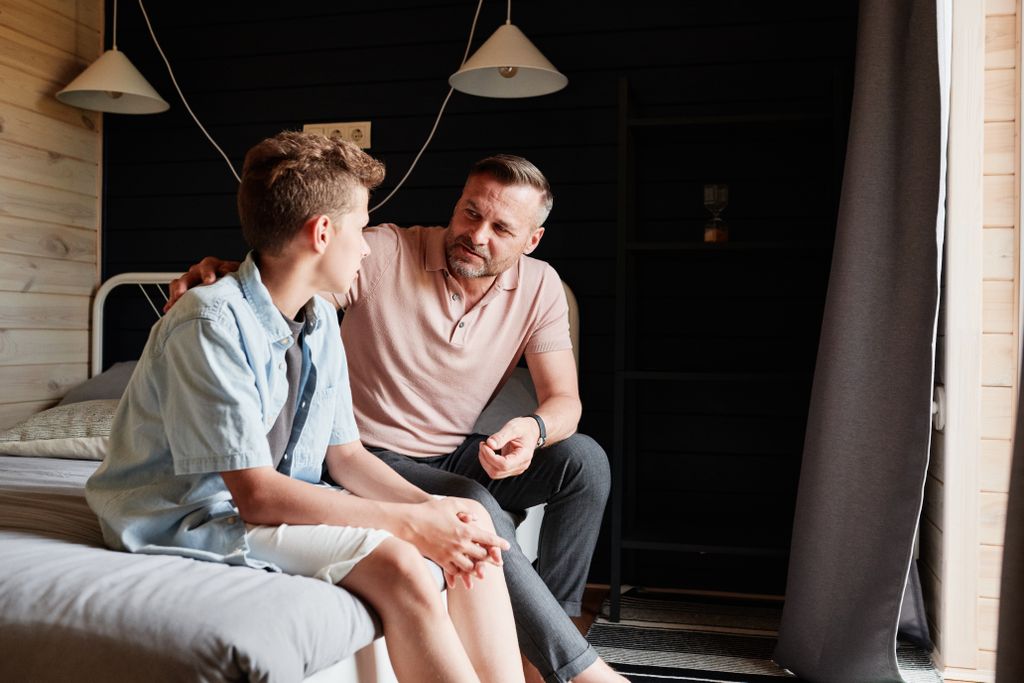
Some men worry that talking about body image or seeking help will be viewed as weakness. Unfortunately, this stigma can prevent people from accessing support when they need it most.
Creating spaces where boys and men feel safe discussing body image, emotions and mental health benefits everyone.
“You don’t have to struggle alone. Reaching out for support is a sign of courage, not weakness.“
The Impact on Mental Health#
Body dissatisfaction doesn’t just affect how someone feels about their appearance – it can influence many aspects of daily life.
Poor body image has been linked with:
These challenges can affect relationships, school or work performance, confidence and overall wellbeing.
Recognising the signs early and encouraging compassionate support can make a meaningful difference.
Evidence Update#
Research continues to show that positive body image is associated with better mental health, healthier eating behaviours and improved overall wellbeing across all genders.
How Education and Support Can Help#
Supporting healthy body image starts with changing the conversation.
Parents, teachers, coaches and health professionals all play an important role by encouraging young people to value what their bodies can do rather than how they look.
Helpful approaches include:
Promote media literacy#
Teach children and teenagers that many images online are edited, filtered or carefully staged.
Encourage body functionality#
Focus on what bodies allow us to do – move, learn, play, connect and experience life.
Challenge appearance-based comments#
Praise qualities like kindness, persistence, curiosity and creativity instead of focusing on appearance.
Normalise help-seeking#
Seeking support for body image or mental health concerns is a sign of courage, not weakness.
Create safe conversations#
Open, judgement-free discussions at home, school and in the community help reduce stigma.
For Parents#
Children often learn how to feel about their bodies by watching the adults around them. Speaking kindly about your own body and avoiding appearance-based criticism can help foster positive body image from an early age.
The Bottom Line#
Body image concerns affect men and boys just as they affect women and girls. Although these experiences have historically received less attention, they deserve the same compassion, understanding and support.
Rather than striving for unrealistic ideals, we can encourage a healthier perspective by celebrating body diversity, challenging harmful stereotypes and recognising that health cannot be determined by appearance alone.
Every person deserves to feel accepted in their body. By creating environments where conversations are safe, respectful and free from shame, we can help ensure that no one feels they have to struggle alone.
Key Takeaway#
Healthy body image isn’t about achieving the “perfect” body – it’s about developing respect, appreciation and compassion for the body you have.
Frequently Asked Questions#
Can men have body image issues?
Yes. Men and boys commonly experience body dissatisfaction, although it is often under-recognised. These concerns can affect self-esteem, mental health, eating behaviours and exercise habits.
What causes poor body image in men?
Body image is influenced by many factors, including media, social media, cultural expectations, peer pressure, bullying and personal experiences.
Can body image issues lead to eating disorders?
Yes. Men can develop eating disorders and disordered eating behaviours, just as women can. Early recognition and professional support are important.
How can parents support positive body image in boys?
Focus on body functionality rather than appearance, avoid weight-focused conversations, model body respect and encourage open communication.
What are signs that someone is struggling with body image?
Signs may include constant body checking, excessive exercise, restrictive eating, avoiding social situations, low self-esteem or frequent negative comments about appearance.
Does social media affect male body image?
Yes. Regular exposure to edited and idealised images can contribute to unrealistic expectations and increased body dissatisfaction.
Can fathers influence body image too?
Absolutely. Fathers and father figures play an important role by modelling respectful attitudes towards bodies and reinforcing that self-worth extends far beyond appearance.
When should someone seek professional support?
If body image concerns are affecting mental health, eating, exercise, relationships or daily life, speaking with a qualified health professional can be helpful.
You Don’t Have to Navigate Body Image Alone#
Developing a healthier relationship with food and your body takes time, compassion and support. #
Whether you’re seeking guidance for yourself or you’re concerned about your child or teenager, I’m here to provide evidence-based, non-diet nutrition care in a safe and supportive environment.


Explore more RESOURCES or follow along on Facebook and Instagram @lotushealthnut for gentle, practical support.