
How to Help Children Learn to Enjoy Vegetables
🕒 6 min read | 👤 Recommended for: Parents and caregivers of toddlers, preschoolers and school-aged children (1–12 years)
How to Help Children Learn to Enjoy Vegetables (Without Mealtime Battles)#
If you’ve ever pleaded with your child to “just take one bite”, hidden vegetables in their meals, or wondered how they’ll ever get the nutrition they need, you’re certainly not alone. The Division of Responsibility in Feeding offers a gentle, evidence-based approach that helps reduce mealtime pressure while supporting children to develop confidence around food over time.
Many parents feel enormous pressure to help their children eat more vegetables. It’s easy to believe that every meal is a test of our parenting or that refusing broccoli today will lead to poor eating habits forever. In reality, learning to enjoy vegetables is a gradual process that unfolds over many years – not something that happens at a single dinner.
As a Certified Practising Nutritionist and Paediatric Clinical Nutritionist, one of the most reassuring conversations I have with families is this: your job isn’t to make your child eat vegetables. Your job is to provide regular opportunities to learn about them in a calm, supportive environment.
One of the most evidence-based approaches to achieving this is Ellyn Satter’s Division of Responsibility in Feeding (sDOR). Rather than focusing on getting children to eat vegetables today, it focuses on raising children who feel confident around food, trust their bodies, and gradually become willing to try a wide variety of foods – including vegetables.
Quick Summary#
Children learn to enjoy vegetables through repeated, pressure-free exposure – not by being forced, bribed or rewarded.
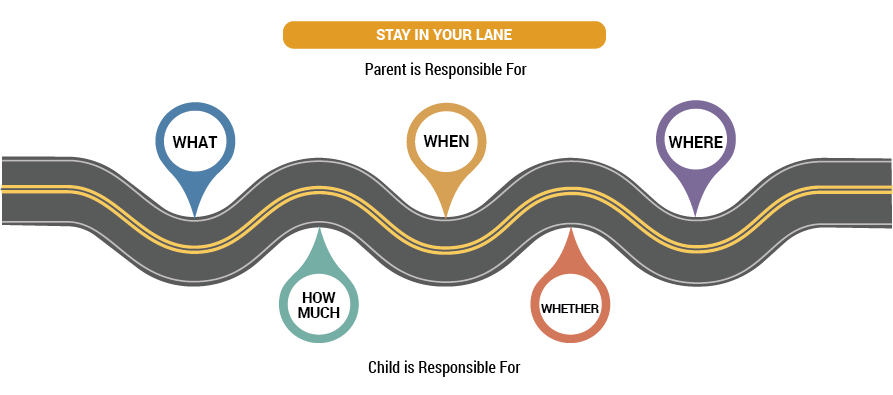
The Division of Responsibility in Feeding clearly defines what parents are responsible for and what children are responsible for at meals.
Mealtime success isn’t measured by how much your child eats, but by providing a calm, positive eating environment.
Trusting your child’s appetite supports lifelong eating competence and a healthier relationship with food.
Small, consistent changes over time are far more effective than trying to “win” one difficult meal.
Why Do Vegetables Become Such a Battle?#

Parents naturally want the best for their children. We know vegetables provide important vitamins, minerals and fibre, so it’s understandable to worry when they’re refused.
Unfortunately, this concern often leads to strategies that seem helpful in the moment but can make things harder over time.
Many families find themselves saying things like:
- “Just one more bite.”
- “Eat your broccoli and then you can have dessert.”
- “You loved this yesterday!”
- “You’re not leaving the table until you’ve eaten it.”
These responses usually come from a place of love – not failure. However, research and clinical experience consistently show that pressure, bribery and persuasion rarely help children become more adventurous eaters in the long term.
Instead, children can become even more resistant, anxious or focused on avoiding certain foods.
Gentle Reminder#
Your child’s refusal to eat vegetables is not a reflection of your parenting.
Learning to enjoy new foods takes time, and many children need dozens of relaxed exposures before willingly tasting something unfamiliar.
What Is the Division of Responsibility in Feeding?#
Developed by feeding expert Ellyn Satter, the Division of Responsibility in Feeding (sDOR) provides a simple framework that helps reduce mealtime stress while supporting children’s natural ability to become competent eaters.
Rather than parents trying to control how much children eat, responsibilities are shared.
This division allows parents to provide structure while giving children the opportunity to listen to their own hunger, fullness and curiosity around food.
“Your job is to provide the food. Your child’s job is to decide whether and how much to eat.“
Why This Approach Works#
Children are born with an incredible ability to regulate their own appetite. Most healthy children naturally eat the amount of food their bodies need across days and weeks – even if individual meals vary greatly.
When adults pressure children to eat more, or certain foods in particular, children often become focused on resisting the pressure rather than paying attention to their own appetite.
Over time, this can interfere with:
- recognising hunger and fullness cues
- willingness to try unfamiliar foods
- confidence around eating
- enjoyment of family meals
In contrast, when meals remain relaxed and pressure-free, children have the opportunity to explore foods at their own pace.
That doesn’t mean they’ll suddenly love broccoli tomorrow.
It means they’re far more likely to develop genuine acceptance over months and years.
Did You Know?#
Some children may need 15–20 or more relaxed exposures to a new food before willingly tasting it. Looking at, touching, smelling or serving a food all count as valuable exposure – even if your child doesn’t eat it yet.
What Success Really Looks Like#
Many parents measure success by what disappears from the plate.
The Division of Responsibility in Feeding encourages a different perspective.
A successful meal is one where:
If your child only eats the bread tonight, that’s information – not failure.
Tomorrow offers another opportunity.
Over time, these repeated positive experiences build trust, confidence and food acceptance far more effectively than persuasion ever could.
Parents Lead the Meal – Children Lead Their Eating#
One of the biggest mindset shifts is recognising that providing food and eating food are two separate jobs.
When we take on the responsibility of getting our child to eat, mealtimes often become stressful and exhausting for everyone involved.
Instead, focus your energy where it has the greatest impact:
- planning balanced meals
- offering a variety of familiar and unfamiliar foods
- eating together when possible
- modelling enjoyment of different foods
- maintaining predictable meal and snack routines
Then allow your child to decide what happens on their own plate.
This doesn’t mean giving up.
It means trusting the process.
Key Takeaway#
The goal isn’t to get vegetables into your child today.
The goal is to raise a child who feels confident exploring foods and gradually learns to enjoy vegetables for a lifetime.
5 Practical Ways to Start Using the Division of Responsibility in Feeding#
Understanding the Division of Responsibility in Feeding is one thing – putting it into practice can feel quite different. If you’ve spent months or years worrying about your child’s eating, changing your approach can take time and patience.
The good news is you don’t need to change everything overnight. Small, consistent changes often make the biggest difference.
Reflect on Your Own Thoughts About Food#
Children learn as much from what we do as what we say.
Many of us grew up hearing messages like:
- “Finish everything on your plate.”
- “No dessert until you’ve eaten your vegetables.”
- “Good children eat everything.”
These beliefs are incredibly common, but they can influence how we respond when our own children eat differently than we’d hoped.
Taking a moment to reflect on your own relationship with food can help you respond more calmly at mealtimes.
Ask yourself:
- Do I worry if my child doesn’t eat enough?
- Am I anxious about vegetables?
- Do I feel responsible for every bite they eat?
- How was food talked about in my own childhood?
Being aware of these thoughts doesn’t mean they’re wrong – it simply helps you respond intentionally rather than react in the moment.
“Children don’t need perfect parents at mealtimes – they need calm, consistent ones.“
Focus on Your Job – and Let Your Child Do Theirs#
One of the biggest shifts with the Division of Responsibility in Feeding is learning where your responsibility ends.
Your role is to:
- plan meals and snacks
- offer a variety of foods
- provide regular eating opportunities
- create a pleasant mealtime environment
Your child’s role is deciding:
- whether they’ll eat
- how much they’ll eat
That can feel uncomfortable at first, especially if your child eats only one food or leaves vegetables untouched.
Remember, you’re playing the long game. Every relaxed exposure helps build familiarity and confidence.
Gentle Reminder#
It’s okay if your child doesn’t eat everything you serve.
Trust grows when children feel safe making their own eating decisions.
Create Predictable Meal and Snack Routines#
Children feel more secure when eating opportunities are predictable.
Rather than allowing constant grazing throughout the day, aim to offer:
- three meals
- two to three planned snacks
- water between eating occasions
Regular routines allow children to arrive at meals with an appetite while also reassuring them that another opportunity to eat is never far away.
A routine doesn’t need to be rigid – it simply needs to be reliable enough that children learn to trust it.
Serve Meals Family-Style Whenever You Can#
Family-style meals encourage curiosity, independence and autonomy.
Instead of plating everything for your child, place serving dishes in the middle of the table (when developmentally appropriate) and allow everyone to choose what goes onto their own plate.
This gives children opportunities to:
- look at unfamiliar foods
- smell them
- touch them
- serve tiny amounts
- watch others enjoying them
These experiences all count as learning – even if the food isn’t eaten today.
Build Confidence with the Lotus Three C’s#
One simple way to put the Division of Responsibility in Feeding into practice is to think about including a mix of different foods at each meal. Rather than focusing on what your child should eat, the goal is to create opportunities for them to feel safe, curious and confident around food.
At Lotus Health + Nutrition, I use a simple framework called the Lotus Three C’s: Confident Foods, Curious Foods and Courageous Foods.
💚 Confident Foods#
These are foods your child already knows and enjoys eating.
Including at least one Confident Food at most meals helps children feel relaxed and reassured that there will be something on the table they feel comfortable eating.
🌿 Curious Foods#
These are foods your child recognises but is still getting to know.
They may occasionally taste them, touch them, or simply leave them on the plate – and that’s perfectly okay. Every calm exposure helps build familiarity over time.
✨ Courageous Foods#
These are completely new or less familiar foods that offer an opportunity to explore.
Being courageous doesn’t have to mean taking a bite. Looking at the food, smelling it, touching it, helping prepare it, or serving it onto their own plate are all valuable steps in the learning process.
The aim isn’t for your child to eat every Courageous Food. The aim is to help them develop confidence and curiosity around food, one positive experience at a time.
Key Takeaway#
The Lotus Three C’s aren’t about getting children to eat more. They’re about helping children feel confident around food.
When meals regularly include Confident Foods, Curious Foods and opportunities to explore Courageous Foods, children can gradually build familiarity and trust without pressure, rewards or mealtime battles.
Would you like to know more about the Lotus Three C’s?
Common Questions Parents Ask#
“What if my child refuses everything?”#
Stay calm and avoid preparing an alternative meal.
Trust that they’ll have another opportunity to eat at the next planned meal or snack.
Children’s appetites naturally vary from day to day, and one small meal rarely tells the whole story.
“What if my child only eats their Confident Foods?”#
That’s completely okay.
Confident Foods provide a sense of safety at mealtimes and help children approach unfamiliar foods without feeling overwhelmed. Continue offering Curious and Courageous Foods alongside familiar favourites, without any expectation that they need to be eaten.
Over time, repeated, pressure-free exposure helps many children become more comfortable exploring a wider variety of foods.
“Should I make my child try one bite?”#
For many children, especially those with feeding difficulties, sensory differences or anxiety around food, pressure can actually make acceptance less likely.
Instead, focus on providing repeated opportunities to explore foods without expectation.
Curiosity develops much more readily when children feel safe.
“What about dessert?”#
Try to avoid using dessert as a reward for eating other foods.
Doing so can unintentionally make vegetables seem like something children have to “get through” in order to earn the “good” food.
Instead, think about all foods as having a place within a balanced eating pattern.
For Parents#
Some children – particularly those with neurodivergence, ARFID, sensory sensitivities or medical conditions – may need additional support beyond the Division of Responsibility in Feeding alone.
The principles of responsive feeding still apply, but they often need to be adapted to suit the child’s individual needs.
The Bottom Line#
Helping children develop a positive relationship with food isn’t about convincing them to eat more vegetables or celebrating an empty plate. It’s about creating an environment where they feel safe, supported and confident to explore food at their own pace.
The Division of Responsibility in Feeding reminds us that parents and children each have an important role at mealtimes. Your role is to decide what, when and where food is offered. Your child’s role is to decide whether and how much they eat. When everyone can focus on their own job, mealtimes often become calmer, more enjoyable and less stressful.
At Lotus Health + Nutrition, I encourage families to build meals around The Three C’s:
- 💚 Confident Foods – foods your child already feels safe and comfortable eating.
- 🌿 Curious Foods – foods they’re becoming familiar with through repeated, pressure-free exposure.
- ✨ Courageous Foods – new foods that invite exploration without any expectation to taste or eat them.
Over time, these gentle opportunities help children build confidence, curiosity and trust around food. The goal isn’t perfect eating today – it’s raising a child who feels relaxed at the table, trusts their body’s cues and develops a positive relationship with food that can last a lifetime.
Frequently Asked Questions#
How can I encourage my child to eat more vegetables?
Instead of focusing on getting your child to eat vegetables, focus on creating regular, pressure-free opportunities to explore them. At Lotus Health + Nutrition, I encourage families to include a mix of Confident Foods, Curious Foods and Courageous Foods at meals, allowing children to build familiarity and confidence over time.
Should I make my child finish their vegetables?
No. Pressuring children to eat specific foods can increase resistance and make mealtimes more stressful. Instead, continue offering vegetables alongside Confident Foods and allow your child to explore Curious and Courageous Foods at their own pace.
How many times should I offer a new vegetable?
Some children need 15–20 or more relaxed exposures before they’re ready to taste a new food. Remember, Courageous Foods aren’t about eating – they’re about exploring. Looking at, touching, smelling, helping prepare or serving a food all count as valuable learning experiences.
What if my child skips a meal?
Children’s appetites naturally fluctuate. If your child chooses not to eat, remain calm and offer food again at the next planned meal or snack.
What is the Division of Responsibility in Feeding?
The Division of Responsibility in Feeding is a responsive feeding approach developed by Ellyn Satter. Parents decide what, when and where food is offered, while children decide whether and how much they eat.
Can the Division of Responsibility in Feeding help picky eating?
Yes. While it isn’t a quick fix, responsive feeding approaches like the Division of Responsibility in Feeding can reduce mealtime stress and help children become more confident around food. Pairing this approach with The Three C’s provides practical, pressure-free opportunities for children to gradually build food confidence and variety.
Need a little extra support with family mealtimes?#
If mealtimes feel stressful, your child has a very limited range of accepted foods, or you’re unsure how to apply responsive feeding strategies in your own home, you’re not alone.#
I provide compassionate, evidence-based nutrition support for children and families, helping parents reduce mealtime stress while supporting children to build confidence around food at their own pace.


Explore more RESOURCES or follow along on Facebook and Instagram @lotushealthnut for gentle, practical support.